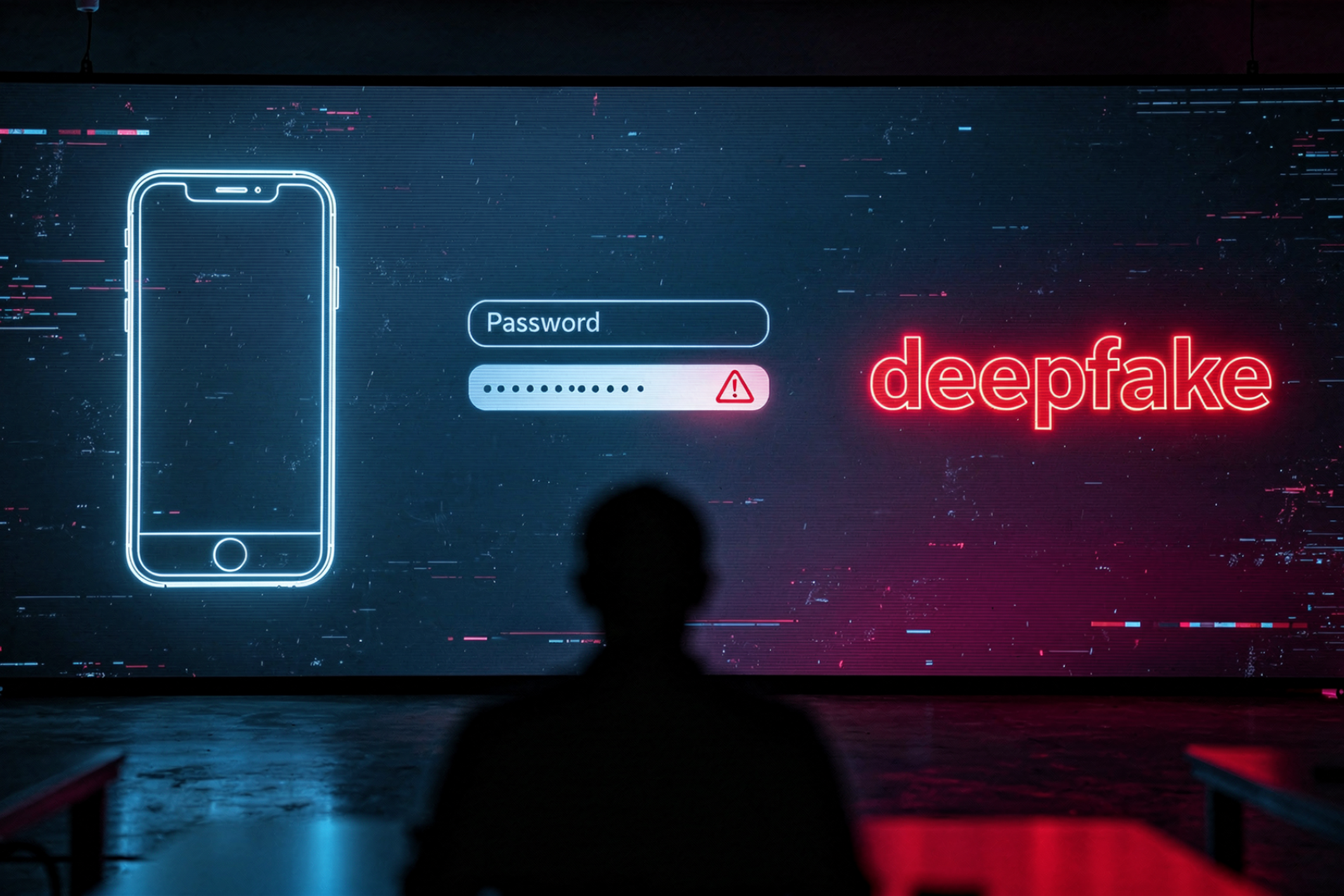
In this blog, I want to touch on something I don’t often talk about, but that I believe is very important for today’s businesses and their leaders. In the modern world, some of the biggest risks a company faces are no longer only operational, financial or political. More and more, they are reputational and digital – threats that can quickly damage trust with customers, partners and investors.
For business leaders whose success depends on trust and reputation, deepfakes are a particularly serious risk for two main reasons:
High-profile figures such as Bill Gates, Barack Obama, Elon Musk and Mark Zuckerberg have all been featured in deepfake content showing them saying or doing things they never did. Even when proven false, these clips often continue circulating online, creating long-term damage to personal and professional credibility.
The problem is not only single scams. Today, there are full websites that look like real and trusted news media, but they share false or fabricated information. Even smart and experienced readers can believe these sources are real, so wrong stories spread very fast. Some of these sites are careless rather than malicious, but the effect is still serious. Combined with deepfakes, this situation can slowly damage trust in a person, a company or even an entire market.
Practical steps to reduce risk
From experience, the most effective protection against impersonation is careful verification. No money transfer, sensitive data or confidential documents should happen without at least two independent confirmations. Companies can also invest in technical detection tools, staff training and verification processes that treat AI-generated content as a real operational threat.
When it comes to fake news or misinformation aimed at damaging reputation, the key is a quick and transparent response. Leaders should work with trusted team members to watch for false information, respond quickly, correct wrong stories publicly and communicate clearly with customers, partners and investors to maintain trust.
While the risks are real, I remain hopeful. AI and cybersecurity experts are developing better tools to detect deepfakes, and I hope that in the near future manipulated content will be flagged more quickly, if not instantly. This would help business leaders better protect their companies and reputations. However, even with stronger technology, careful verification, staff training and clear communication will always remain essential for staying safe.