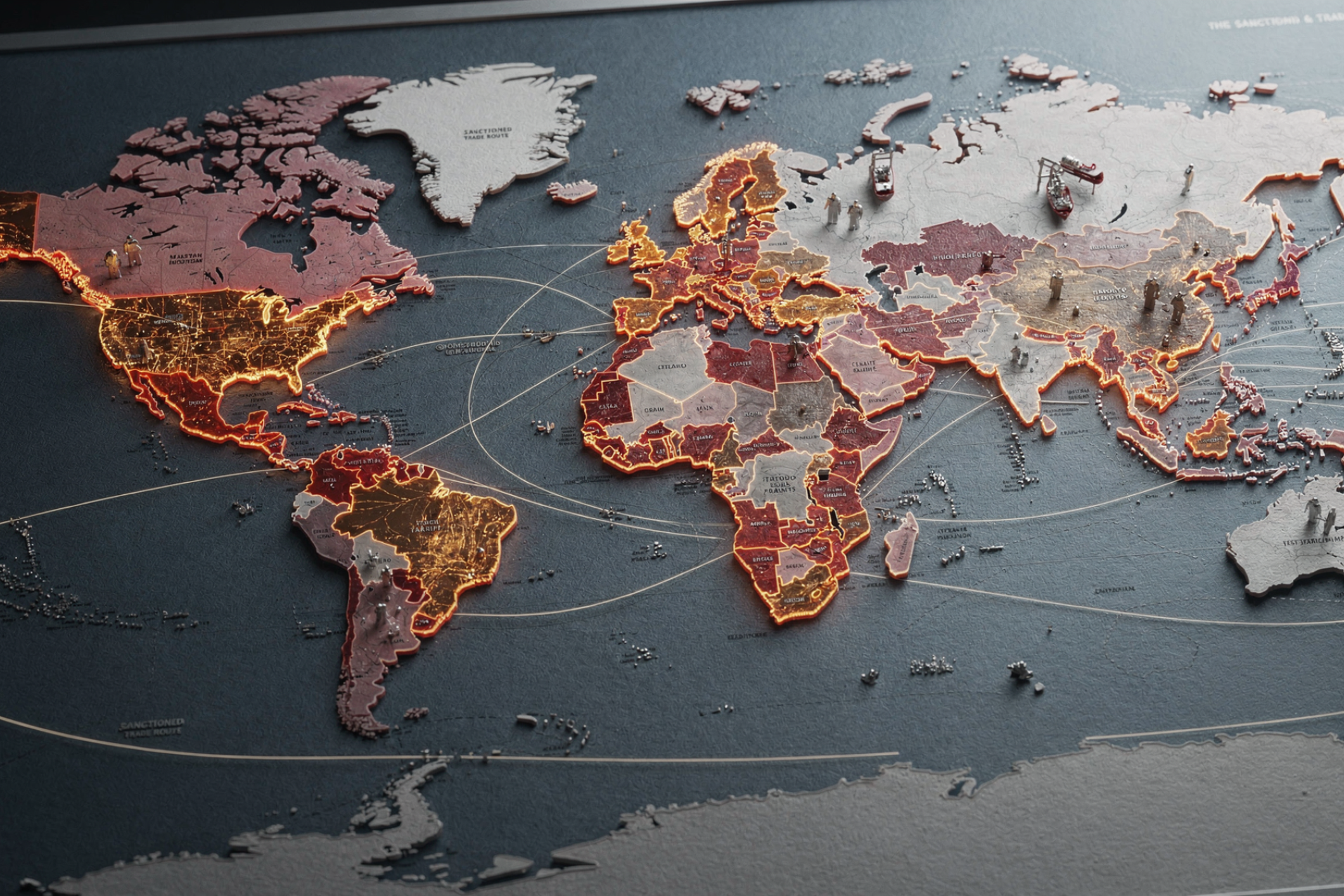
As 2026 begins, world events are moving quickly. The removal of Venezuela’s leader, unrest in Iran and talk of US interest in Greenland seem like separate stories. But when I look at them together, they show how quickly global power and priorities are shifting.
These places matter because they sit at the crossroads of energy, natural resources and key trade routes. When governments change or tensions rise, oil prices, supply chains and investment risks can change overnight.
And what happens far away does not stay far away for long.
Energy, resources and strategic control
Venezuela, Iran and Greenland all sit at the center of global resource competition:
If you work in energy, manufacturing, technology or infrastructure, you probably know that access to key resources is not just about business, it is also about geopolitics. The political shifts around these resources can shape supply chains and investment decisions for years to come.
And here’s the thing: even if your company doesn’t operate in certain regions, you can still feel the impact. Politics and business are more intertwined than ever, so it is smart to keep an eye on global events, plan for disruptions and avoid relying too much on any single region or supplier.
Risk premiums are rising, even where you don’t operate
Most companies will never do business in Venezuela, Iran or Greenland. That does not mean they are immune. Global instability often leads to:
You do not have to have direct exposure to a country to feel its effects. In today’s tightly connected world, geopolitical risk travels fast – through supply chains, financial markets and even investor sentiment.
From my experience, the companies that stay informed and flexible are the ones that weather shocks better, and often move first when conditions change.
As 2026 progresses, tracking how these risks and opportunities develop will be critical for decision-makers.