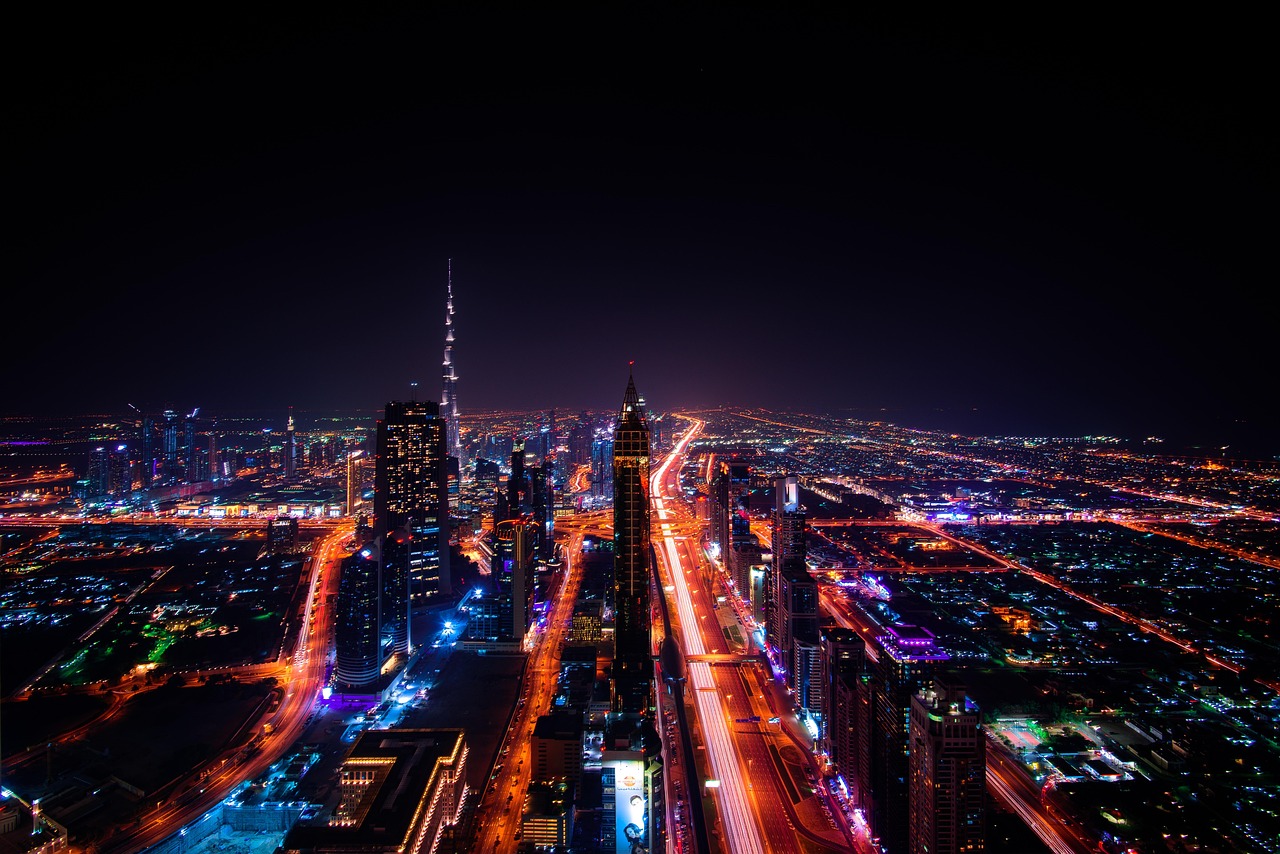
As geopolitical tension rises across the Middle East in 2026, many expect cities in the region to slow down.
But when I look at Dubai, I see a city that absorbs shocks, adapts quickly and never really stops building toward the future.
A different type of Gulf economy
Many people’s first reaction is simple: conflict in the region is bad for Dubai. I understand this thinking. But in my view, it misses how Dubai actually works.
Dubai is not an oil economy in the traditional sense. Oil contributes very little to its GDP. The real drivers are trade, logistics, finance, real estate, tourism and increasingly technology.
This matters more than people think. In uncertain times, economies that depend on one resource become fragile. Economies that are diversified become flexible.
From what I observe, Dubai’s diversification has been developed over many years, which makes its economy more resilient to regional instability. It is already visible in how the city operates every day. Flights are gradually moving back to full operations, ports are active and deals are still being made.
Government acting fast
One thing I respect about the UAE is speed. When conditions change, the response is not slow.
Recent support measures – fee deferrals, business relief, flexible payments – may not solve everything, but they send an important signal: the system is responsive.
In many countries, businesses wait for clarity. In Dubai, decisions move faster.
Companies are not leaving in large numbers – if anything, some are arriving, particularly from less stable parts of the region. When uncertainty rises, capital often looks for stability, and Dubai tends to benefit – something we also saw during the Covid period, even if the situation today is not exactly the same. This trend is likely to persist, particularly if the ceasefire holds and the broader regional situation begins to stabilise.
The longer-term view
Short-term sentiment is always emotional. Markets react to headlines. I see this everywhere, not only in this region. But serious capital does not move based on headlines – it moves based on direction. And the direction, from my perspective, is still positive.
Dubai will continue to attract entrepreneurs, investors and high-net-worth individuals. Not because there is no risk, but because the overall environment is predictable enough to plan ahead. Because the D33 agenda – a plan to double Dubai’s economy to AED 32 trillion and position it among the world’s top three cities by 2033 – along with other long-term strategies, shows Dubai is not only reacting to today, but actively planning for the next decade.
My perspective
From my perspective, the current situation is a stress test – a moment that reveals strengths and weaknesses.
Dubai is not perfect. There are real risks – geopolitical, economic and market-related. Anyone investing here should be clear about this.
But at the same time, I see a city that keeps functioning, keeps attracting capital and keeps thinking long term even under pressure – and that may be its biggest advantage.
If your time horizon is short, this environment may feel uncomfortable. If your time horizon is longer, this is exactly the type of environment where opportunities usually appear.