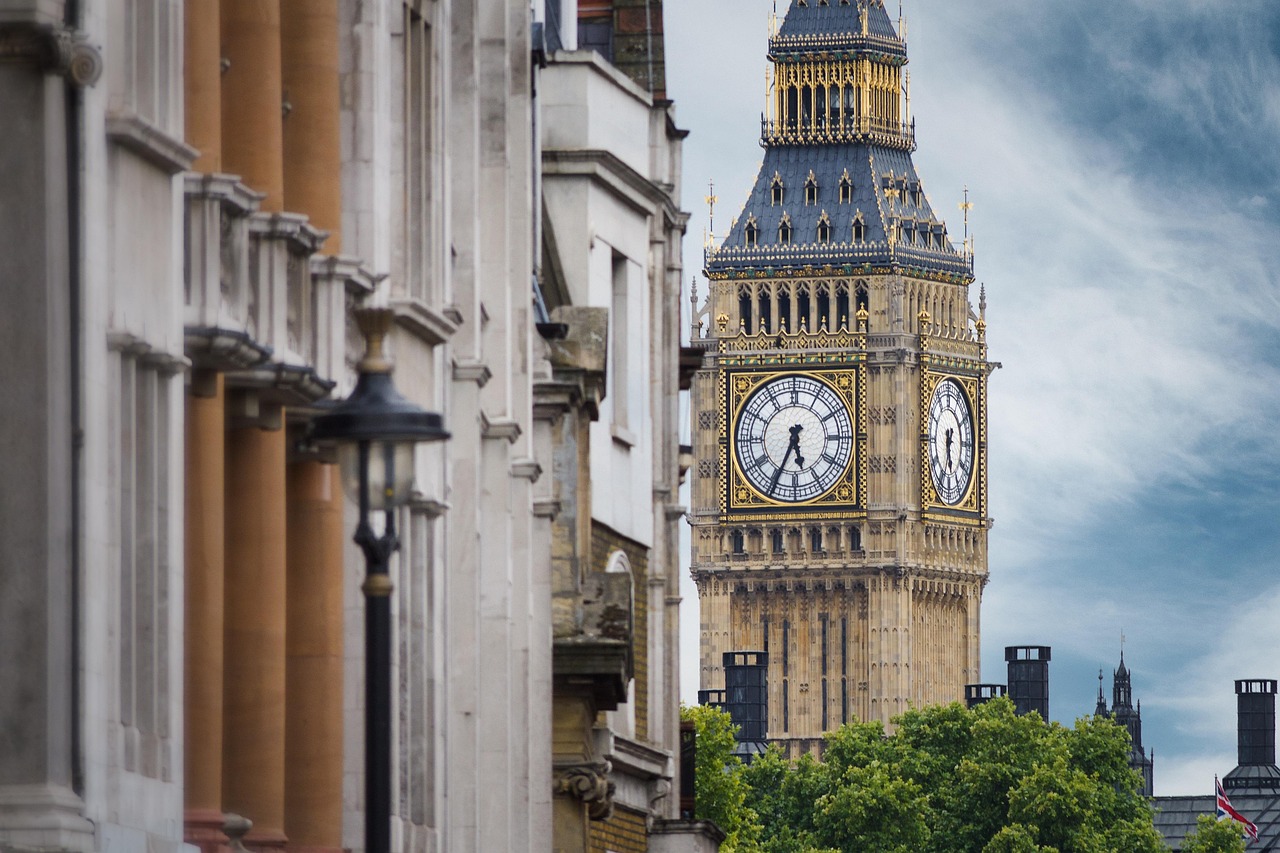
The UK just got its seventh Prime Minister in a decade. Andy Burnham has replaced Keir Starmer, and despite the handover staying within the same party, the usual speculation about tax and housing policy has already begun. It is too early to know what he will do. That is why I wanted to look at the market now, before a new direction changes how people read it.
After years of strong growth, prices are softening across the board. Higher rates, inflation and policy uncertainty have hit demand hard at the top end. The most expensive parts of London are under real pressure. Regional markets are holding up much better.
Kensington and Chelsea, one of London’s most expensive areas, saw prices fall around 16% last year. The City of London and Westminster fell by similar amounts, well above the citywide average (City AM).
Buyers now have more choice, less competition and real room to negotiate. Sellers have to be realistic about price, and quickly.
Where the money is going
The UK ended its non-dom regime in April 2025. Since then, wealthy people have been leaving, and it is not just foreigners. British citizens are moving abroad too.
Wealth keeps flowing to a few key hubs, and Dubai has led the way for years. The conflict in the region has not weakened its appeal. Some UAE-based investors are adding second locations, but this is smart risk management, not an exodus. The picture is simply a little more dynamic than before.
Saudi Arabia and Türkiye are now in the mix too, both moving quickly to open their doors to foreign capital and residents.
In Europe, Milan is emerging as a genuine rival to London, drawing wealthy individuals with lifestyle and favourable tax terms. Switzerland remains a solid option for those who value certainty over higher returns.
London’s prime market is already feeling this. Weaker demand from abroad is putting pressure on both prices and how easily homes sell.
The outlook
Forecasts for UK property in 2026 have gone from cautiously optimistic to genuinely uncertain. Earlier in the year, most expected modest growth of around 1-4%. Since then, renewed conflict in the Middle East has pushed mortgage rates and inflation back up, and some forecasters, including Savills, have gone from expecting growth to expecting a small decline. A few still expect modest gains. Almost none expect the strong growth we saw a few years ago.
This is not the cheap-money, easy-profit market of the last decade. Where growth happens, it will be slower, uneven and much more selective, partly because capital itself has become this mobile.
Not every property will hold up well. Location, price level and the type of buyer matter more than they have in years. Markets like London, which depend heavily on international capital, can no longer take that demand for granted.
The bigger picture
The UK is trying to manage a difficult balance. Stricter tax rules bring in more revenue in the short term, but they also give mobile capital and talent a reason to leave. I have seen this play out well beyond property, in investment decisions, hiring and the wider economy.
For investors outside the UK, the harder question is not any single policy but how tax, planning rules, interest rates and capital flows now move together. New leadership brings a pause while the direction becomes clear, and mobile capital tends to wait rather than commit during that pause.
The markets that offer stability and competitive terms will keep attracting capital – and right now, that position is open to any market willing to compete for it.