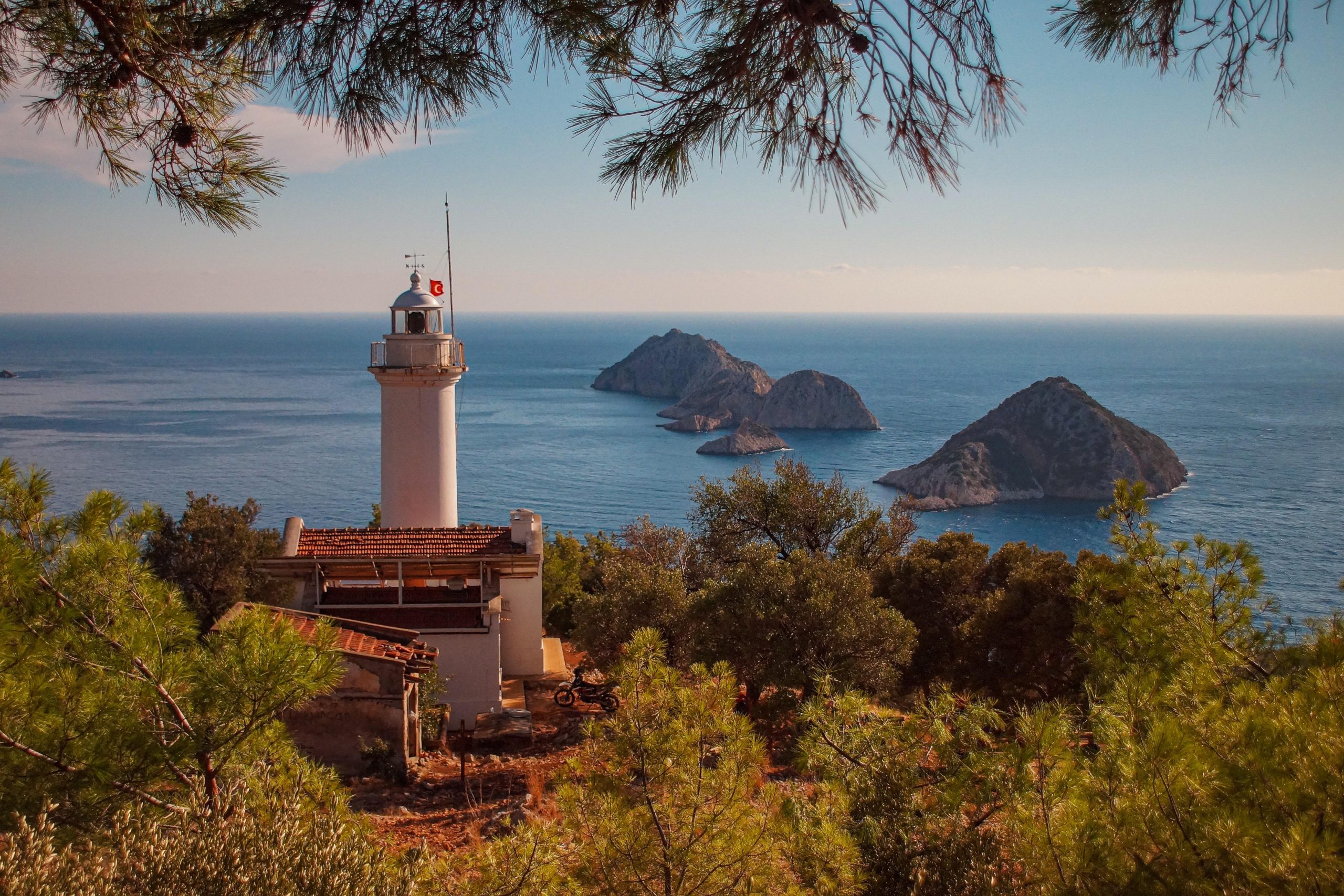
In three weeks, Antalya hosts COP31, the UN climate summit. Two years ago it was Baku’s turn; now it is Türkiye’s. The summit runs from 9 to 20 November, with world leaders arriving on 11 and 12 November, and some estimates put the number of delegates at more than 80,000. Most people will follow the politics. In this blog, I want to look at the practical side: what does it mean for business?
In an unusual arrangement, Türkiye is the host, with Environment Minister Murat Kurum as COP31 President, while Australia’s Chris Bowen leads the negotiations.
Good news for Turkish tourism
As someone who invests in Turkish tourism, I see this side up close – and what is good for Antalya is good for the whole coast. The city welcomed a record 17.12 million foreign visitors last year. November is normally a slow month there, but this year hotels expect strong demand, and the summit is projected to bring Türkiye around $2 billion.
At the start of October, Antalya also hosted the International Astronautical Congress, a major space-industry event. It is part of Türkiye’s wider effort to fill hotels outside the summer season with conferences and business travel. Big events like these bring visitors for a few weeks, but what really counts is what they leave behind: better venues, better service and a reputation that helps attract the next big event.
Less talk, more projects
Kurum has said he wants this COP to be about turning words into projects and projects into investments. From a business point of view, that is the right focus.
The funding goal is already agreed. At COP29, countries committed to raising climate funding for developing nations to at least $300 billion a year by 2035. The challenge is making sure that money reaches the right projects, and Türkiye wants to help bring the two together, especially in cities, water and infrastructure.
Some Gulf money is already working in our region. In 2024, Abu Dhabi’s Masdar and SOCAR broke ground on 1 GW of solar and wind projects in Azerbaijan, and Masdar plans up to 10 GW there by 2030. Azerbaijan itself is aiming for 6.5 GW of renewable capacity by 2030 – more than 35% of its energy mix, as I wrote last year.
Energy security matters again
The timing is important. Disruption around the Strait of Hormuz has recently cut the oil passing through it to around two-thirds of normal, and Brent crude is above $100 a barrel. As I explained in how a barrel of oil actually gets its price, a lot of today’s price is about risk, not just supply and demand. When one route becomes risky, investors start looking for others.
That is where the Caspian comes in. Azerbaijan, Kazakhstan and Uzbekistan have agreed to develop a power cable under the Caspian Sea to send clean electricity towards Europe, and the first phase has the support of two major Asian development banks. It is a long-term infrastructure project – the kind Gulf investors are used to.
For Caspian countries, COP31 is a chance to show that energy security and clean energy can go together. Gas will stay important for years, but renewables are growing fast.
A meeting point for the region
The value of COP31 will not come down to one big deal. For two weeks, the summit will bring Gulf investors, Turkish developers and Caspian energy producers into the same rooms, and that is valuable in itself.
When the summit ends on 20 November, the official statement will be only part of the story. The conversations that begin in Antalya could lead to partnerships that last for years. I look forward to seeing what comes out of them.